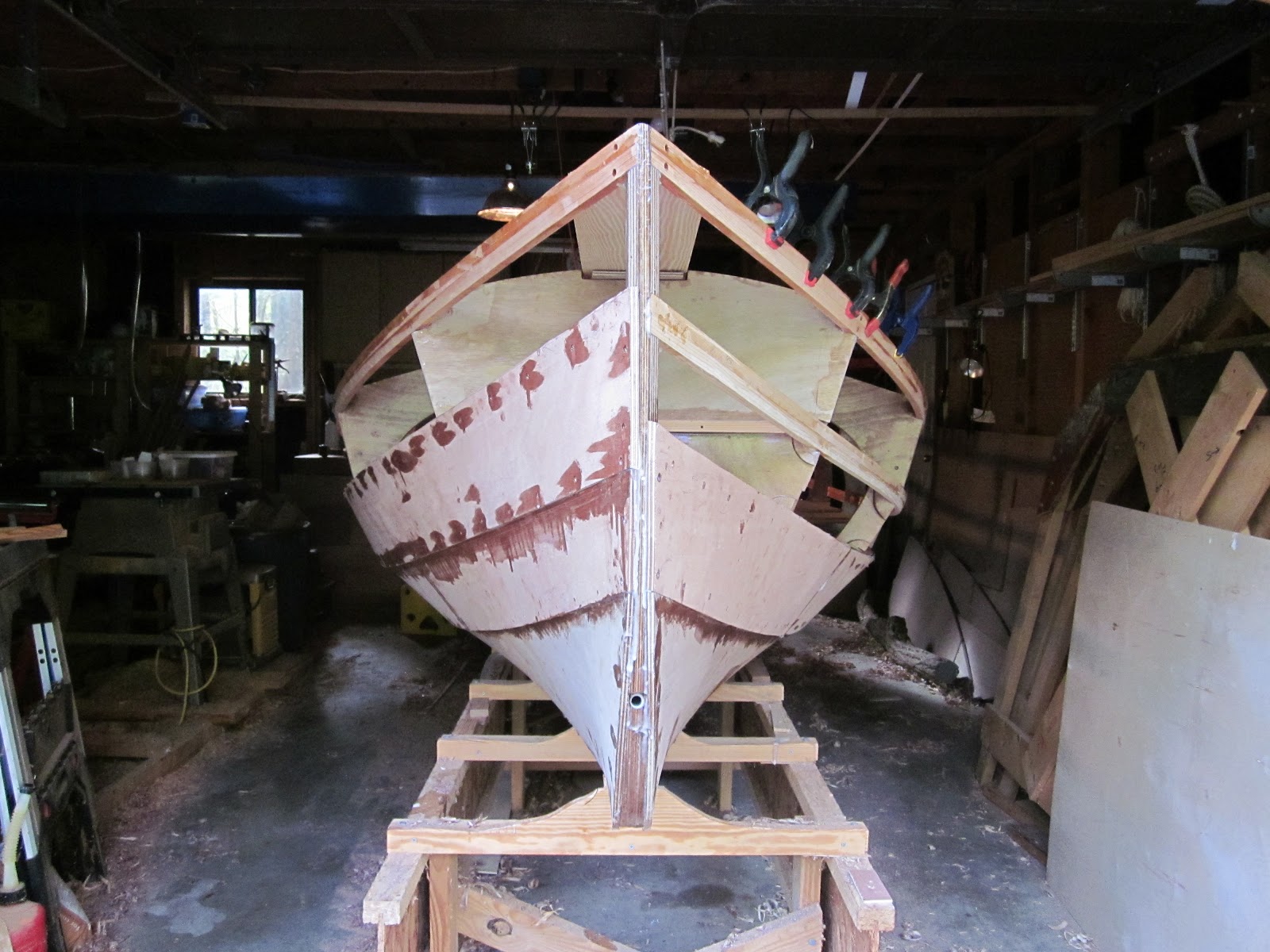
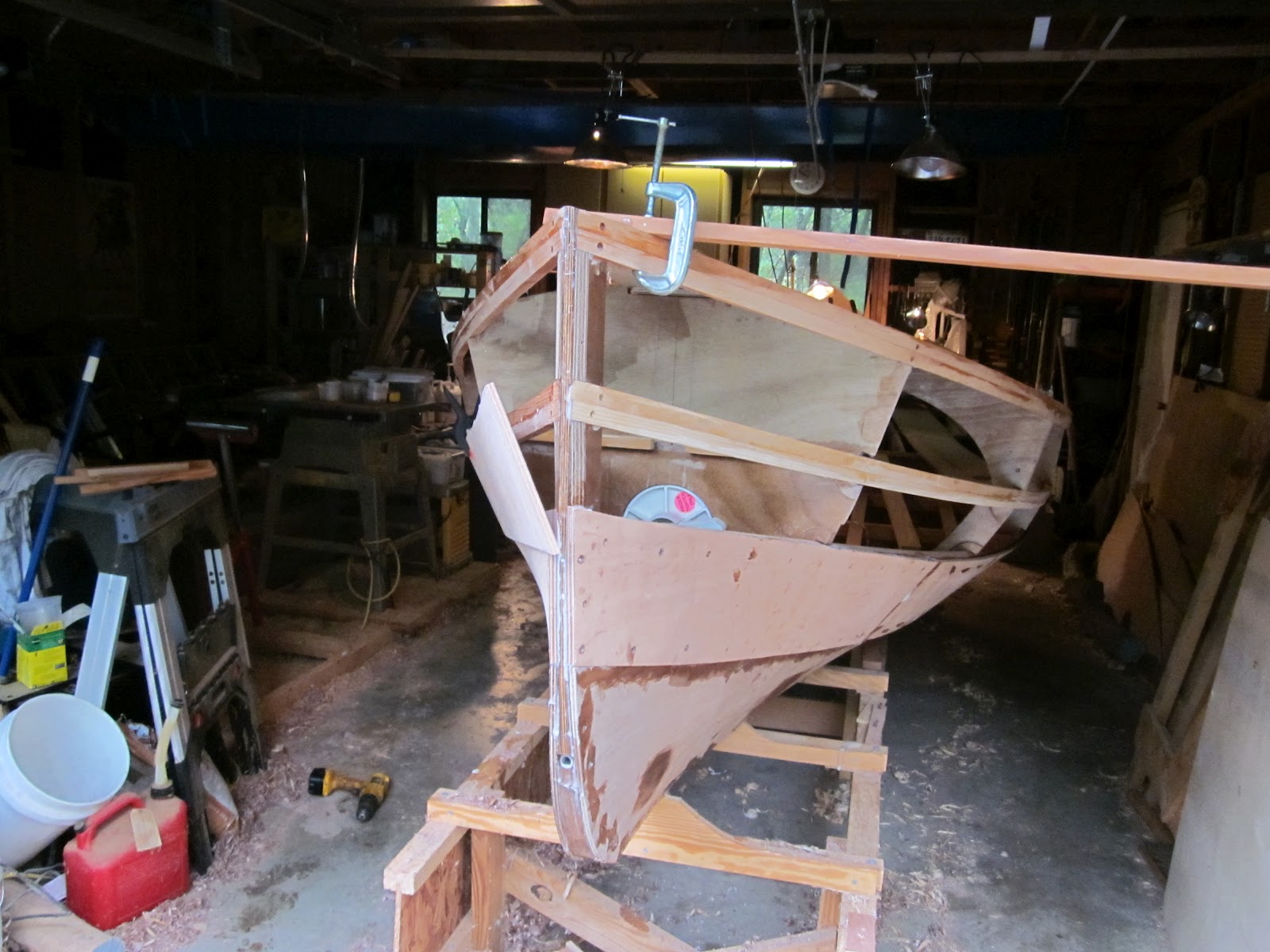
Bowsprit dry-fitted to see how it looks.
It looks good.
Even Samson the Critical Gorilla strikes an approving pose.
Saturday, November 24, 2012
Wednesday, November 14, 2012
Writing again
I've dived back into an old story, grabbing a few minutes to write when I can, and all the old difficulties come flooding back in: the doubts, the clumsiness, the idiotic repetitiveness, the repeating things, the lack of spark, blah blah blah. No different from any other first draft, in other words.
But no matter! The important thing isn't how it feels now -- since it always feels like crap -- but rather the very simple and primitive fact of work. I am a writer; I write.
Meanwhile fall has turned the corner into winter, and I walked the dogs this morning under a clear sky jewelled with stars, and the frosted grass glittered in counterpoint. I was happy at the beauty, huddled into my warm clothes. The dogs peed, unimpressed and ready to return to their sleepy nests on the couch.
And the best part is that the cold and dark of this morning hangs in my head like a picture now, while the story I'm working in hangs there too ... and I find myself trying to work in a scene that takes place on a cold morning under the stars.
But no matter! The important thing isn't how it feels now -- since it always feels like crap -- but rather the very simple and primitive fact of work. I am a writer; I write.
Meanwhile fall has turned the corner into winter, and I walked the dogs this morning under a clear sky jewelled with stars, and the frosted grass glittered in counterpoint. I was happy at the beauty, huddled into my warm clothes. The dogs peed, unimpressed and ready to return to their sleepy nests on the couch.
And the best part is that the cold and dark of this morning hangs in my head like a picture now, while the story I'm working in hangs there too ... and I find myself trying to work in a scene that takes place on a cold morning under the stars.
Monday, October 29, 2012
Snowicane
It started with a ghostly ring around the moon, and then three days of clouds creeping slowly, like glaciers or the tide, across the sky, from horizon to horizon.
Then the wind started: a tickle here, leaves scraping down the road there, rustlings in the woods at night. A few dead branches falling and scaring the dogs. But the wind didn't stop. After a day or two you didn't really notice it anymore: the smaller branches swaying rhythmically, leaves fluttering.
It blew for three days. The sky turned yellow. And then it began to rain, at first so gently that you couldn't tell if it was mist or fog instead of thing little droplets.
It's been raining all night and all day now, and the wind is still swaying the smaller branches. The dogs are anxious. There's a strange darkness to the light, like a fire seen through a black shirt, or through dirty smoke.
It is going to get worse before it gets better. We have flood warnings, high wind warnings, severe weather warnings, and now (I can hardly believe it) a blizzard warning.
View from the workshop: only the sheerplank on each side remaining now.
Then the wind started: a tickle here, leaves scraping down the road there, rustlings in the woods at night. A few dead branches falling and scaring the dogs. But the wind didn't stop. After a day or two you didn't really notice it anymore: the smaller branches swaying rhythmically, leaves fluttering.
It blew for three days. The sky turned yellow. And then it began to rain, at first so gently that you couldn't tell if it was mist or fog instead of thing little droplets.
It's been raining all night and all day now, and the wind is still swaying the smaller branches. The dogs are anxious. There's a strange darkness to the light, like a fire seen through a black shirt, or through dirty smoke.
It is going to get worse before it gets better. We have flood warnings, high wind warnings, severe weather warnings, and now (I can hardly believe it) a blizzard warning.
View from the workshop: only the sheerplank on each side remaining now.
Saturday, October 13, 2012
The Coin Thief
It's always raining, here in the half-dark. Drops ping on empty helmets, run down gun barrels, roll dripping from the tips of blades. Wet fabric of olive green and black and red and every other heraldric combination possible, all of it once worn so proudly. And yes, the rain soaks bones and torn skin and outstretched hands, all of it unmoving and silent in the endless wet.
It is not a beautiful country.
It has no frontier, no edges, no fences or walls beyond which lies some respite. Just the cold rain and endless ground, disrupted by the fallen.
Here they lie, as they fell in their wars, and conflicts and "special actions," unrotting, unchanging, and ultimately: unremembered.
Except by me. I watch them come, drifting like ash, sometimes slowly and sometimes sifting through the rain in countless thousands. This ground, this holy and terrible country, is theirs: the killed.
There is no sun and there is no day, so it seems strange to begin a story thus: one day I saw something I had not seen in all the long ages of my watching.
Movement.
There was something moving where nothing had ever moved. Something that fluttered, like a thought made real, and it twisted and jerked over the fields of the dead.
It was shaped like a man. It knelt over down, plucked something from the ground, then hopped sideways as if dancing a jig. It jiggered and skipped and plucked, and when it was near enough I saw that it was indeed a man.
It straightened to face me. Arranged its face into a pale smile.
"Hello, watcher."
I nodded.
"You don't know me, do you?" The man gestured in a wide and loving circle. "I have sent you so many. So many."
He jingled something in his breeches and I realized what he'd been plucking from the ground: the coins from the eyes of the dead.
He saw me frown but did not quail although my rage can be terrible. "Ah," he stated. "The coins." The smile opened into a grin. "Waste not." And he wiped the rain from his lips. "Do you know my name?" he said. "Have you guessed it?"
I made no answer. An eternity of silence makes thought more habitual than speech.
He leaned closer. His eyes were so bright in that grey place, and he they were open, unblinking, in the rain.
"I am Calvar Rex."
"Go," I finally said. "This is not your place. This is holy--"
"Holy ground," he finished. "Yes, yes, It is not ours to consecrate, we cannot hallow this ground of the fallen, blah blah blah. It matters not."
I felt a heat growing in me where for so long there had only been cold.
"Your fallen," he said, his lips pulled back from his teeth, "Your fallen will burn. Your graveyard will burn. This country will burn. All of it."
The anger warmed me and one hot-breathed word erupted past scalding lips.
"GO!" And the terrible fire of the holy glowed in that dark place. It glowed long enough for me to see his grin as he tattered like fog and fled.
The rain and the dead still came, as they always had and always would. As my heat faded I swore I would remember his name.
It is not a beautiful country.
It has no frontier, no edges, no fences or walls beyond which lies some respite. Just the cold rain and endless ground, disrupted by the fallen.
Here they lie, as they fell in their wars, and conflicts and "special actions," unrotting, unchanging, and ultimately: unremembered.
Except by me. I watch them come, drifting like ash, sometimes slowly and sometimes sifting through the rain in countless thousands. This ground, this holy and terrible country, is theirs: the killed.
There is no sun and there is no day, so it seems strange to begin a story thus: one day I saw something I had not seen in all the long ages of my watching.
Movement.
There was something moving where nothing had ever moved. Something that fluttered, like a thought made real, and it twisted and jerked over the fields of the dead.
It was shaped like a man. It knelt over down, plucked something from the ground, then hopped sideways as if dancing a jig. It jiggered and skipped and plucked, and when it was near enough I saw that it was indeed a man.
It straightened to face me. Arranged its face into a pale smile.
"Hello, watcher."
I nodded.
"You don't know me, do you?" The man gestured in a wide and loving circle. "I have sent you so many. So many."
He jingled something in his breeches and I realized what he'd been plucking from the ground: the coins from the eyes of the dead.
He saw me frown but did not quail although my rage can be terrible. "Ah," he stated. "The coins." The smile opened into a grin. "Waste not." And he wiped the rain from his lips. "Do you know my name?" he said. "Have you guessed it?"
I made no answer. An eternity of silence makes thought more habitual than speech.
He leaned closer. His eyes were so bright in that grey place, and he they were open, unblinking, in the rain.
"I am Calvar Rex."
"Go," I finally said. "This is not your place. This is holy--"
"Holy ground," he finished. "Yes, yes, It is not ours to consecrate, we cannot hallow this ground of the fallen, blah blah blah. It matters not."
I felt a heat growing in me where for so long there had only been cold.
"Your fallen," he said, his lips pulled back from his teeth, "Your fallen will burn. Your graveyard will burn. This country will burn. All of it."
The anger warmed me and one hot-breathed word erupted past scalding lips.
"GO!" And the terrible fire of the holy glowed in that dark place. It glowed long enough for me to see his grin as he tattered like fog and fled.
The rain and the dead still came, as they always had and always would. As my heat faded I swore I would remember his name.
Wednesday, October 10, 2012
Plank installed
... and here's what it looks like now, after the glue has dried and I've removed the army of spring clamps. Nice and flush at the bow (that's why you cut the gain where the planks overlap).
Another view of the bow, really showing the work to date ... and what's still remaining: two port planks and the last one -- the sheerplank -- on the starboard side. I flatter myself that the boat might float now if I put it in the water. You can even see some out-of-favor deserters from my clamp army slouching at attention on the port sheer stringer.
Tuesday, October 9, 2012
Scenes from a plank
Planking is fun because all of a sudden, the boat's taking shape right there in front of you. What makes it tricky is that neither the plank nor the boat are flat ... and bent wood likes to spring back to being straight.
Here we have a few shots of getting Plank #2 on the starboard side ready to be glued. Each side has four planks, numbered up from the bottom, so this is the next-to-last plank on that side:
Here on the left side of the picture you can see the (loose-fit) plank curving away from the bow because I haven't clamped it in place. I'm testing the gain, which is a long, wedge-shaped cut on the plank below it to allow the overlap to become flush as the planks meet at the bow.
Same thing, different angle. Also note that our garage features a similar sort of lapstrake planking as the boat. 'Cept the boat is better made.
Plywood comes in 8-foot sheets; the boat is over seventeen feet long, so the planks need to be attached together with a scarf joint. In this shot, looking forward from the stern, the plank in question is clamped in place and you can see the vertical stripes where I cut the long angle. The aft-most piece of the plank, with a matching angle in its forward edge, will be joined here.
Here we have a few shots of getting Plank #2 on the starboard side ready to be glued. Each side has four planks, numbered up from the bottom, so this is the next-to-last plank on that side:
Same thing, different angle. Also note that our garage features a similar sort of lapstrake planking as the boat. 'Cept the boat is better made.
Plywood comes in 8-foot sheets; the boat is over seventeen feet long, so the planks need to be attached together with a scarf joint. In this shot, looking forward from the stern, the plank in question is clamped in place and you can see the vertical stripes where I cut the long angle. The aft-most piece of the plank, with a matching angle in its forward edge, will be joined here.
Next: the finished plank in position!
Friday, June 15, 2012
Don't be
One of the things I love about writing is how big a difference can be made by something small. It's as if a cathedral were made up not only of a dreamed design in the architect's mind, not only of the terror and grandeur of those tall spaces to a peasant, not only in that distant rigid shape on a blue horizon, but also the tiny details: the texture and smell of stone, the motes in the sunbeams, the mouse tracks across the dust of ages.
For example, take two characters. One feels some emotion -- any emotion -- toward the other, and utters one of the following remarks:
Don't. (Abrupt ... maybe uncertain)
Don't be an ass. (Dismissive, almost patronizing)
Don't be a little beast (1930s British literature)
Don't be cross (Ditto; you can tell my reading habits from my examples.)
Don't be stupid.
Please don't.
Don't. Please.
Don't you dare.
Don't do it.
Don't do that.
Don't, don't, don't!
Now, apart from the strange but not unexpected effect of having writing "don't" so many times that it's lost all meaning, you can see how every one of these phrases reveals not just something about the tenor of the situation (tense? nervous? playful?) but also lets the speaker's character come through. Where one character might say "Don't. You. Dare," another might say, "Oh, don't be an idiot." Huge difference.
And all these details add up to the momentum of a good book; each of them is a spot where you as the writer can add (or, clumsily, detract) from the life of the book, of the chapter, or even of the paragraph or sentence.
Don't be a bore!
For example, take two characters. One feels some emotion -- any emotion -- toward the other, and utters one of the following remarks:
Don't. (Abrupt ... maybe uncertain)
Don't be an ass. (Dismissive, almost patronizing)
Don't be a little beast (1930s British literature)
Don't be cross (Ditto; you can tell my reading habits from my examples.)
Don't be stupid.
Please don't.
Don't. Please.
Don't you dare.
Don't do it.
Don't do that.
Don't, don't, don't!
Now, apart from the strange but not unexpected effect of having writing "don't" so many times that it's lost all meaning, you can see how every one of these phrases reveals not just something about the tenor of the situation (tense? nervous? playful?) but also lets the speaker's character come through. Where one character might say "Don't. You. Dare," another might say, "Oh, don't be an idiot." Huge difference.
And all these details add up to the momentum of a good book; each of them is a spot where you as the writer can add (or, clumsily, detract) from the life of the book, of the chapter, or even of the paragraph or sentence.
Don't be a bore!
Subscribe to:
Posts (Atom)